
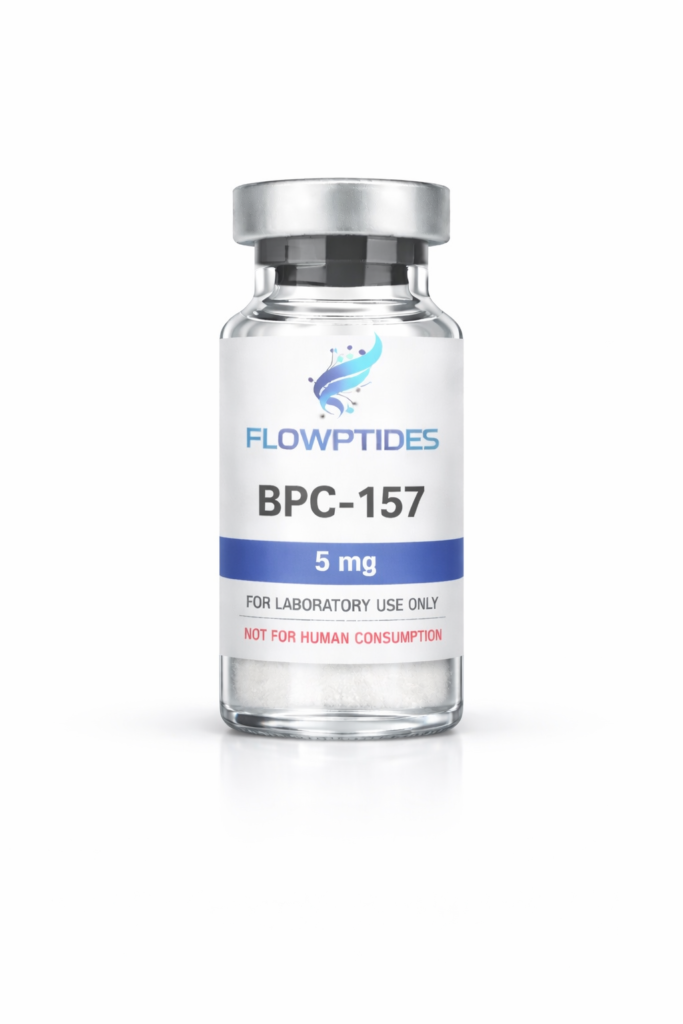
BPC-157 is a synthetic peptide derived from a naturally occurring protein found in the human body. It has gained attention in research settings for its potential role in tissue repair and recovery.
Researchers have been studying BPC-157 primarily for its effects on healing processes, particularly in muscles, tendons, and ligaments.
How Does BPC-157 Work?
BPC-157 is believed to influence several biological pathways related to healing. One of the key mechanisms involves promoting angiogenesis — the formation of new blood vessels.
This process may support faster delivery of nutrients and oxygen to damaged tissues.
Potential Research Areas
In laboratory and preclinical studies, BPC-157 has been explored for:
- Muscle recovery
- Tendon and ligament repair
- Gastrointestinal health
- Inflammation response
It is important to note that much of the available research is still limited and ongoing.
Research Status
Most studies involving BPC-157 have been conducted in controlled laboratory environments. Human research remains limited, and further investigation is needed to fully understand its effects and safety profile.
Conclusion
BPC-157 continues to be a subject of interest in scientific research due to its potential regenerative properties. As research evolves, more insights may become available regarding its mechanisms and applications.
Disclaimer
This content is for informational and research purposes only. These compounds are not approved for human consumption and are intended strictly for laboratory research use.