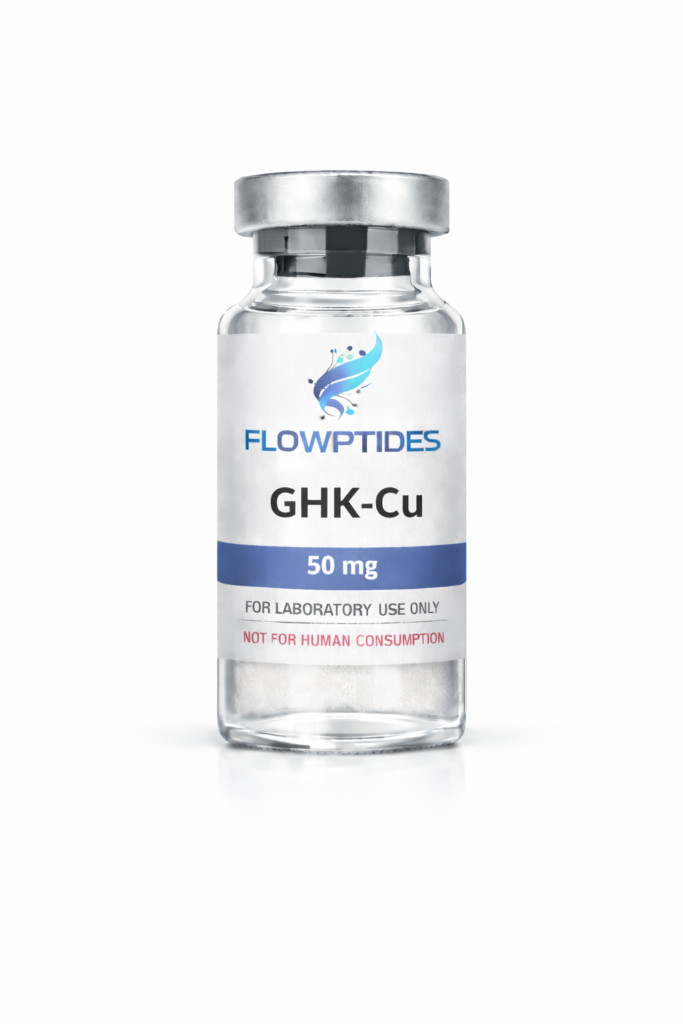
GHK-CU is a naturally occurring copper peptide that has been widely studied for its role in tissue repair, skin regeneration, and cellular signaling. It consists of a short chain of amino acids bound to a copper ion.
In research settings, GHK-Cu has gained attention for its potential influence on skin quality and regenerative processes.
How Does GHK-Cu Work?
GHK-Cu is believed to interact with genes and cellular pathways involved in repair and regeneration. It may play a role in stimulating collagen production and supporting tissue remodeling.
Additionally, it has been studied for its ability to bind copper, which is an essential trace element involved in various biological processes.
Potential Research Areas
In laboratory and preclinical studies, GHK-Cu has been explored for:
- Collagen synthesis
- Skin regeneration and elasticity
- Wound healing processes
- Anti-aging pathways
These areas continue to be actively researched.
Research Status
GHK-Cu has been studied in both laboratory and clinical contexts, particularly in skin-related research. However, ongoing studies are needed to better understand its full range of effects and applications.
Conclusion
GHK-Cu remains one of the most studied peptides in the field of skin and regenerative research. Its interaction with biological repair systems makes it a key focus in anti-aging studies.
Disclaimer
This content is for informational and research purposes only. These compounds are not approved for human consumption and are intended strictly for laboratory research use.
For research use only. Not for human consumption.