
Introduction
If you’re working with peptides, one of the most important steps is reconstitution — the process of mixing a peptide with a liquid solution.
Done correctly, it ensures stability, accuracy, and consistency in your research.
In this guide, we’ll walk you through the basics of how peptides are typically prepared in a research setting.
⸻
What Does “Mixing Peptides” Mean?
Peptides are usually supplied in a lyophilized (freeze-dried) powder form.
To use them in research, they must be reconstituted using a sterile solution such as:
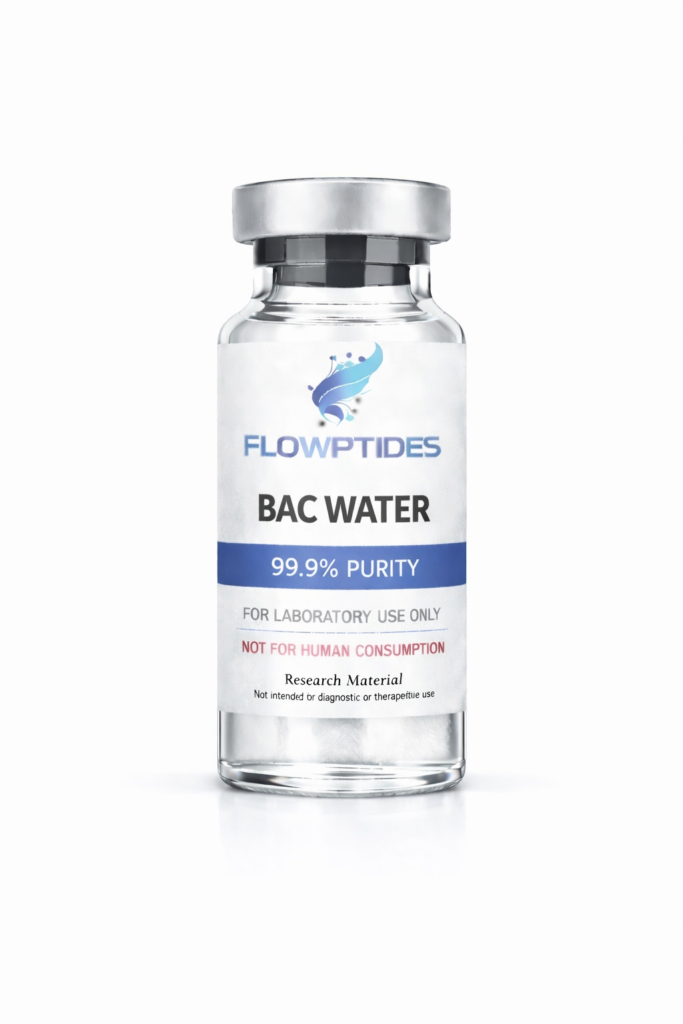
👉 BAC Water (Bacteriostatic Water)
⸻
What You Need
Before starting, make sure you have:
• Peptide vial
• BAC Water
• Syringe (for measurement)
• Alcohol wipes (for sterility)
• Clean working area
⸻
Step-by-Step Process (Research Context)
- Prepare Your Workspace
Always work in a clean environment.
Wipe the tops of both vials with alcohol to maintain sterility.
⸻
- Draw BAC Water
Use a sterile syringe to draw the desired amount of BAC water.
⸻
- Inject Slowly
Insert the needle into the peptide vial and slowly inject the BAC water along the inside wall.
❗ Do NOT inject directly into the powder — this can damage the peptide structure.
⸻
- Let It Dissolve
Allow the peptide to dissolve naturally.
✔ Do NOT shake
✔ If needed, gently swirl the vial
⸻
- Store Properly
After mixing:
• Keep refrigerated
• Avoid exposure to heat or light
• Use within proper research timeframes
⸻
Common Mistakes to Avoid
❌ Shaking the vial
❌ Using non-sterile water
❌ Injecting too fast
❌ Touching needle to surfaces
❌ Storing at room temperature
⸻
Using the correct solution is critical.
👉 BAC Water:
• Helps prevent bacterial growth
• Allows multi-use
• Maintains stability
⸻
Important Notice
⚠️ All products are intended for research use only
⚠️ Not for human consumption
(This is important for compliance — keep it)
⸻
Why Choose Flowptides
At Flowptides, we focus on:
• Clean, consistent products
• Professional labeling
• Reliable research-grade quality