
One of the most confusing parts of working with peptides is understanding dosage and measurement.
Terms like mg, mL, IU, and concentration can feel overwhelming at first — but once you understand the basics, everything becomes much simpler.
This guide breaks it down in a clear and simple way for research purposes.
⸻
What Does “Dosage” Mean?
In a research context, dosage refers to:
👉 The amount of peptide present in a solution
This is NOT about instructions — it’s about understanding how concentrations work after mixing.
⸻
Key Terms You Need to Know
- mg (Milligrams)
This is the amount of peptide in the vial
Example:
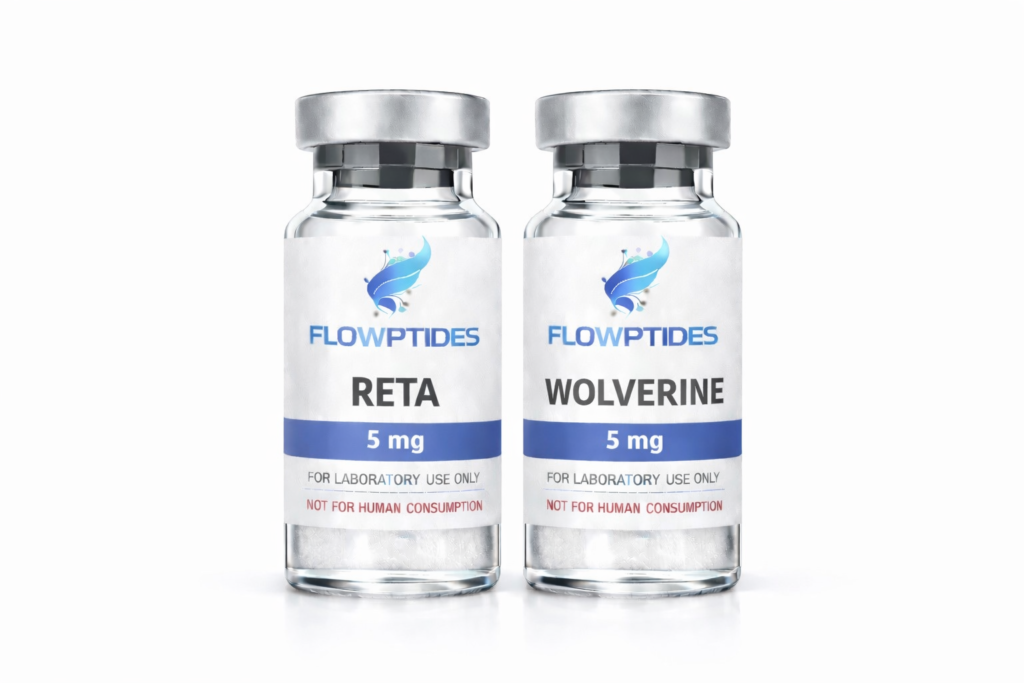
• A vial labeled 5 mg = contains 5 milligrams of peptide
⸻
- mL (Milliliters)
This is the amount of liquid (BAC water) added
⸻
- Concentration
This is where everything connects:
👉 Concentration = mg ÷ mL
Example:
• 5 mg peptide + 2 mL BAC water
= 2.5 mg per mL
⸻
Understanding concentration helps with:
• Accuracy in measurement
• Consistency in research
• Avoiding waste or errors
Without knowing this, it’s easy to misinterpret how much compound is present.
⸻
Example (Simple Breakdown)
Let’s say you have:
• 10 mg peptide
• Add 2 mL BAC water
👉 Now each 1 mL contains 5 mg
This is how researchers standardize their setup.
⸻
Common Mistakes
❌ Confusing mg with mL
❌ Not calculating concentration
❌ Adding random amounts of liquid
❌ Guessing instead of measuring
⸻
To keep things accurate, researchers often use:
• Syringes for precise measurement
• BAC Water for proper dilution
• Consistent mixing practices
⸻
Important Notice
⚠️ This content is for educational and research purposes only
⚠️ Not intended for human use or medical guidance
(Keep this — very important for your business)
⸻
Why Choose Flowptides
At Flowptides, we focus on:
• Clear labeling (mg always visible)
• Consistent product presentation
• Research-focused quality