
Top 5 Most Popular Research Peptides in 2026 (What They’re Studied For)
Peptides have become one of the most talked-about categories in research today. But with so many options available, it can be difficult to understand which ones are actually being studied the most.
This guide breaks down 5 of the most popular research peptides in 2026, what they’re commonly studied for, and why they’ve gained attention.
1. BPC-157
Common research focus:
- Tissue response and recovery processes
- Cellular repair mechanisms
- Interaction with inflammation pathways
BPC-157 is widely studied in research settings due to its association with repair-related biological pathways.
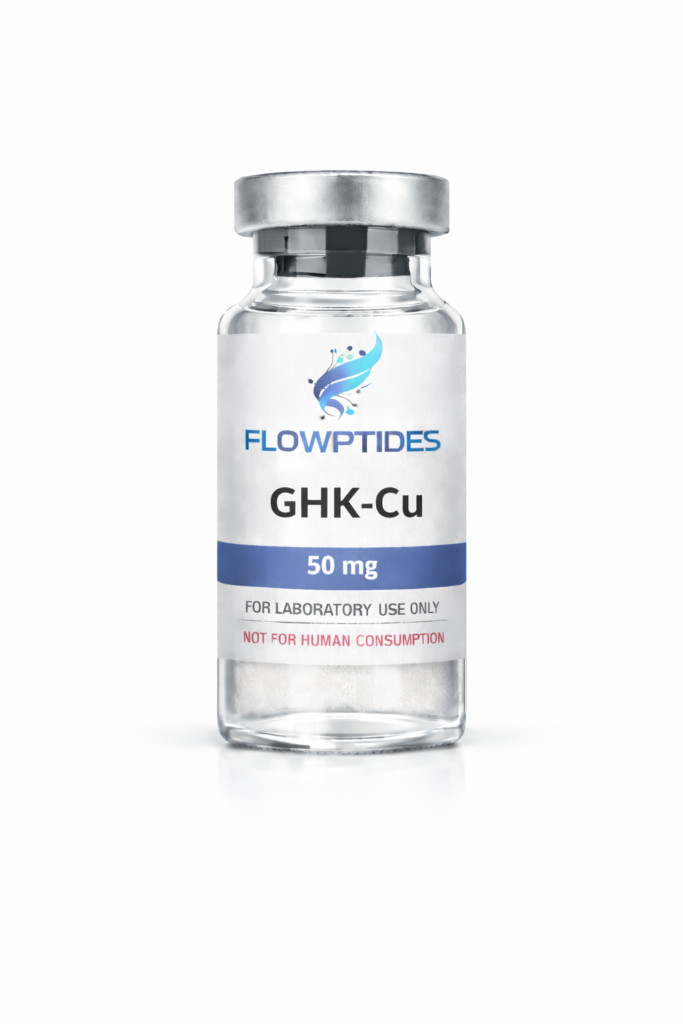
2. GHK-Cu
Common research focus:
- Skin-related cellular activity
- Collagen-related processes
- Hair and tissue studies
GHK-Cu is a copper-binding peptide often researched in cosmetic and dermatological contexts.
3. CJC-1295
Common research focus:
- Hormone signaling pathways
- Pulsatile release patterns
- Endocrine system research
CJC-1295 is commonly studied in research exploring growth hormone–related signaling mechanisms.
4. Ipamorelin
Common research focus:
- Selective receptor interaction
- Short-acting signaling pathways
- Combination research with other peptides
Ipamorelin is often studied alongside other compounds due to its targeted receptor activity.
5. Retatrutide
Common research focus:
- Multi-pathway metabolic research
- Energy regulation mechanisms
- Advanced peptide signaling
Retatrutide is one of the newer peptides gaining attention for its multi-receptor research potential.
Why These Peptides Are Popular
These peptides stand out because they are commonly studied for:
- Targeted biological pathways
- Specific receptor interactions
- Controlled research applications
Each offers a different focus, making them valuable depending on the research objective.
Choosing the Right Peptide (Research Perspective)
When selecting a peptide for research, consider:
- Stability and storage requirements
- Research goals and pathways of interest
- Compatibility with other compounds
👉 Not all peptides serve the same purpose—selection depends entirely on the study design.
Final Thoughts
The peptide space continues to evolve, but these five remain among the most commonly researched due to their distinct biological roles and growing interest in scientific studies.
Understanding their differences is key to making informed research decisions.
Explore More
Disclaimer
All products available through Flowptides are intended strictly for research purposes only.
Not for human consumption.