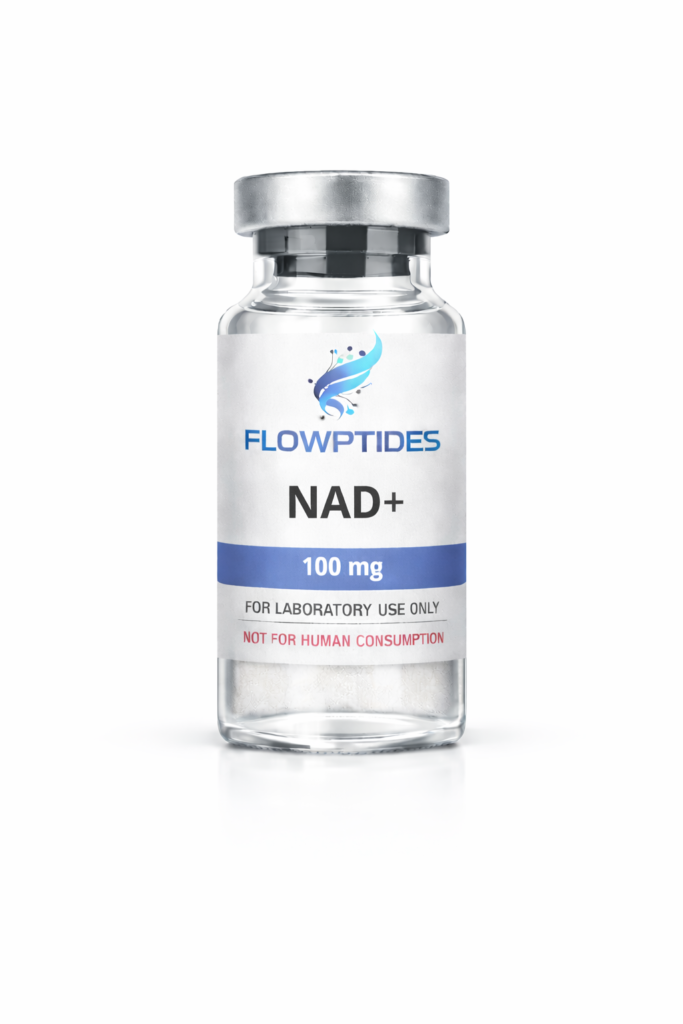
NAD+ (Nicotinamide Adenine Dinucleotide) is a coenzyme found in all living cells. It plays a critical role in cellular energy production and metabolic function.
In research settings, NAD+ has been widely studied for its potential involvement in aging, cellular repair, and energy regulation.
How Does NAD+ Work?
NAD+ is essential for mitochondrial function, which is responsible for producing energy within cells. It also plays a role in activating enzymes known as sirtuins, which are associated with cellular health and longevity.
As NAD+ levels decline with age, researchers have become increasingly interested in its potential role in supporting cellular function.
Potential Research Areas
In laboratory and clinical research, NAD+ has been explored for:
- Cellular energy production
- Mitochondrial function
- Aging and longevity pathways
- Cognitive support
These areas continue to be actively studied.
Research Status
NAD+ has been the subject of both preclinical and clinical research. While findings are promising, ongoing studies are needed to better understand its long-term effects and optimal applications.
Conclusion
NAD+ remains a central focus in longevity and metabolic research. Its role in energy production and cellular health makes it a key component in studies related to aging and performance.
Disclaimer
This content is for informational and research purposes only. These compounds are not approved for human consumption and are intended strictly for laboratory research use.