
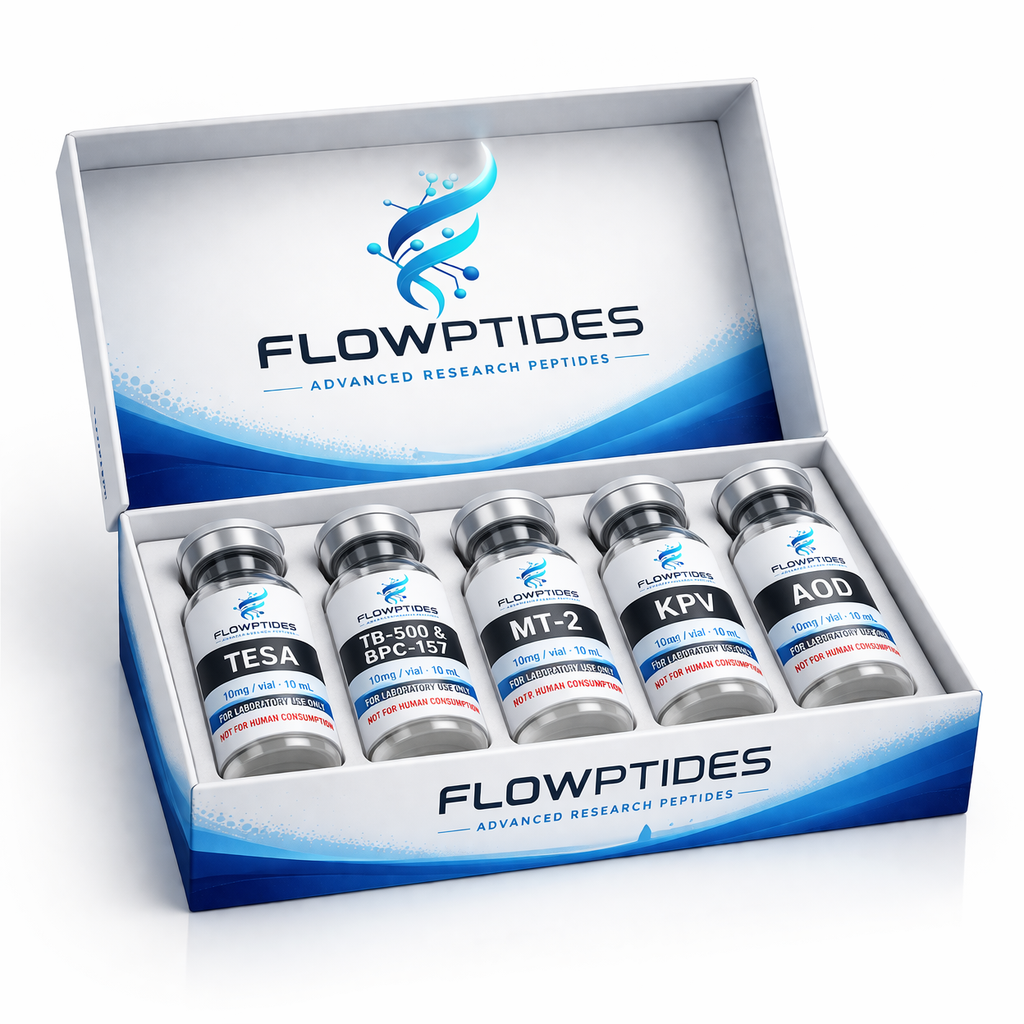
Common Mistakes When Handling Peptides (And How to Avoid Them)
Peptides are sensitive compounds. Even small handling mistakes can affect stability, consistency, and overall research quality.
This guide covers the most common mistakes beginners make—and how to avoid them.
1. Improper Storage Temperature
The mistake:
Leaving peptides at room temperature for extended periods.
Why it matters:
Heat accelerates degradation and reduces stability.
What to do instead:
- Store powder in a refrigerator or freezer
- Store mixed solutions in a refrigerator (2–8°C)
- Avoid temperature fluctuations
2. Exposing Peptides to Light
The mistake:
Leaving vials exposed to direct light.
Why it matters:
Light (especially UV) can break down peptide structures.
What to do instead:
- Store in dark environments
- Use original packaging or wrap vials if needed
3. Shaking the Vial Aggressively
The mistake:
Shaking the vial like a drink.
Why it matters:
This can damage delicate peptide structures.
What to do instead:
- Gently swirl instead of shaking
- Allow the solution to dissolve naturally
4. Poor Reconstitution Practices
The mistake:
Adding liquid too quickly or without control.
Why it matters:
Can lead to foam, instability, or inaccurate concentration.
What to do instead:
- Add liquid slowly
- Let it flow gently down the vial wall
- Keep conditions controlled
5. Frequent Opening of Vials
The mistake:
Opening the vial repeatedly.
Why it matters:
Each exposure increases risk of contamination.
What to do instead:
- Limit handling
- Keep vials sealed when not in use
6. Ignoring Shelf Life After Mixing
The mistake:
Using reconstituted peptides long after mixing.
Why it matters:
Stability decreases over time in liquid form.
What to do instead:
- Use within a reasonable timeframe
- Label vials with dates
- Track usage carefully
7. Using Inconsistent Conditions
The mistake:
Changing storage or handling conditions frequently.
Why it matters:
Leads to inconsistent results.
What to do instead:
- Keep conditions stable
- Maintain consistent processes
- Document everything
Quick Summary
| Mistake | Fix |
|---|---|
| Heat exposure | Store cold |
| Light exposure | Keep in dark |
| Shaking | Gently swirl |
| Fast mixing | Add liquid slowly |
| Frequent opening | Minimize handling |
| Ignoring shelf life | Track and label |
| Inconsistency | Standardize process |
Final Thoughts
Handling peptides properly isn’t complicated—but it requires attention to detail.
Avoiding these common mistakes can:
- Improve stability
- Maintain consistency
- Produce more reliable research outcomes
Explore More
Disclaimer
All products available through Flowptides are intended strictly for research purposes only.
Not for human consumption.